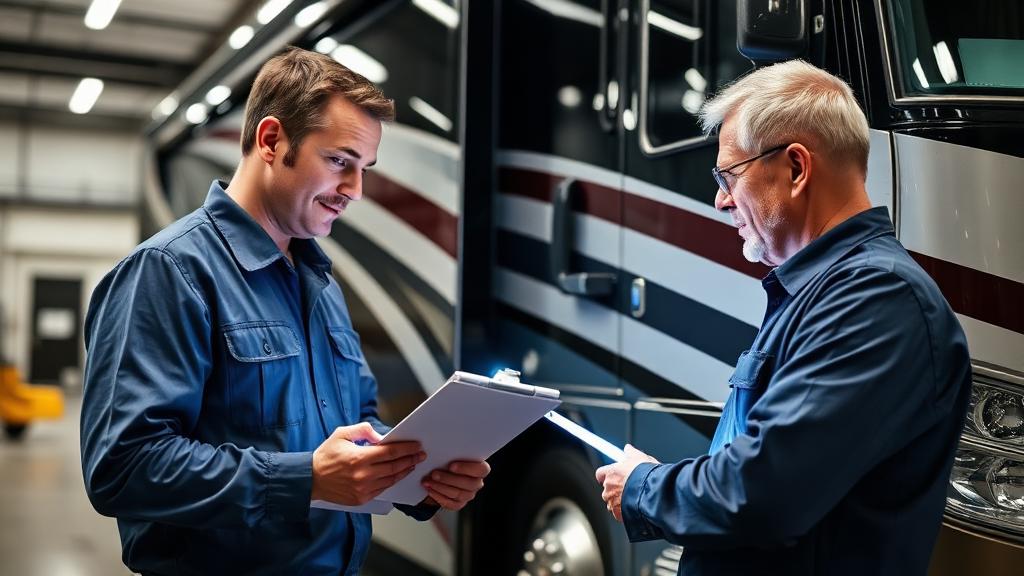
Water intrusion is the single most destructive force your motorhome faces. The same is true whether you own a motorhome, a camper, or a travel trailer, since the seals fail the same way and the water damage spreads the same way once it starts. A failed seal the size of a pinhole can allow enough moisture to rot an entire wall section in one rainy season. This guide explains how exterior resealing works, when you need it, and why it's the most cost-effective maintenance you can do.
The True Cost of Water Damage
A small reseal today can prevent some of the most expensive structural repairs an RV can need. Here's what happens when seals fail:
What Gets Sealed During a Full Exterior Reseal
- All window frames and gaskets
- Entry door and baggage door perimeters
- Body panel seams and joints
- Slide-out seal channels
- Roof-to-sidewall transition
- Utility connections and through-wall penetrations
- Compartment doors and frames
- Light fixtures, markers, and antenna bases
A full exterior reseal follows the same sequence regardless of which seams need it: every seam, joint, and opening gets inspected first, old and failing sealant is stripped rather than sealed over, the bonding surface is cleaned and prepped, then premium marine-grade sealant goes on window and door perimeters, vents, and compartments. The job ends with a water test to verify the seal actually holds, not just that it looks finished. If water has already reached the wall and caused rot, delamination, or mold, that damage has to be repaired structurally before resealing does any good; sealing over compromised material just traps the problem.
Types of RV Sealants Explained
Dicor Self-Leveling Lap Sealant
Best for: Horizontal roof seams and flat surfaces
Why: Flows into gaps, UV-stable, easy to apply
Sikaflex Polyurethane
Best for: High-stress joints, structural bonds
Why: Extremely strong adhesion, flexible, paintable
Butyl Tape
Best for: Under trim, moldings, and light fixtures
Why: No cure time, remains flexible indefinitely, easy removal
Silicone Sealant
Best for: Specific manufacturer applications only
Why: Excellent water resistance, but nothing adheres to it later
Desert Climate Considerations
Las Vegas presents unique challenges for RV seals. Summer temperatures exceeding 115°F cause sealants to expand and soften, while winter lows near freezing cause contraction. This constant thermal cycling accelerates seal fatigue. Temperature swings of 60°F or more between day and night accelerate that same cycle daily, not just seasonally, which is why sealants here crack and shrink faster than in milder climates. UV exposure is among the highest in the nation, breaking down polymer chains in sealant compounds. Marine-grade sealants with UV stabilizers are essential, standard hardware store caulk fails within months in this environment.
Worried About Water Damage?
Get a free exterior seal inspection. We'll identify every vulnerable point and give you an honest assessment.
Related Service
Reseal Body (Exterior) Service